Breaking News Vs Fake News: How to Differentiate and Stay Informed In today’s fast-paced digital world, staying informed has never been more crucial. However, the rise of digital media has b.
n-pbr.ccBrazil trending news, politics and sports analysis.
“Breaking News Vs Fake News: How to Differentiate and Stay Informed”
Updated: March 15, 2026
Breaking News Vs Fake News: How to Differentiate and Stay Informed
In today’s fast-paced digital world, staying informed has never been more crucial. However, the rise of digital media has brought about a significant challenge: distinguishing between breaking news and fake news. The proliferation of misinformation can lead to widespread confusion and even affect public opinion and behavior. This blog post delves into the intricacies of breaking news and fake news, offering insights on how to differentiate between the two and stay reliably informed.
Understanding Breaking News
Breaking news refers to current, significant events that are developing or have just occurred. These stories are often covered in real-time, with updates provided as new information becomes available. Breaking news can include a wide range of topics such as natural disasters, political developments, technological breakthroughs, or emergencies.
The hallmark of breaking news is its immediacy and relevance. Reputable news organizations prioritize accuracy and speed, striving to provide the public with verified information as promptly as possible. However, the rush to report can sometimes lead to incomplete or evolving stories, underscoring the need for updates and ongoing coverage.
Defining Fake News
Fake news, on the other hand, consists of false information or propaganda published under the guise of being authentic news. This type of misinformation is often designed to mislead or manipulate the audience for political, financial, or social gains. Fake news can take many forms, including fabricated stories, doctored images, and misleading headlines.

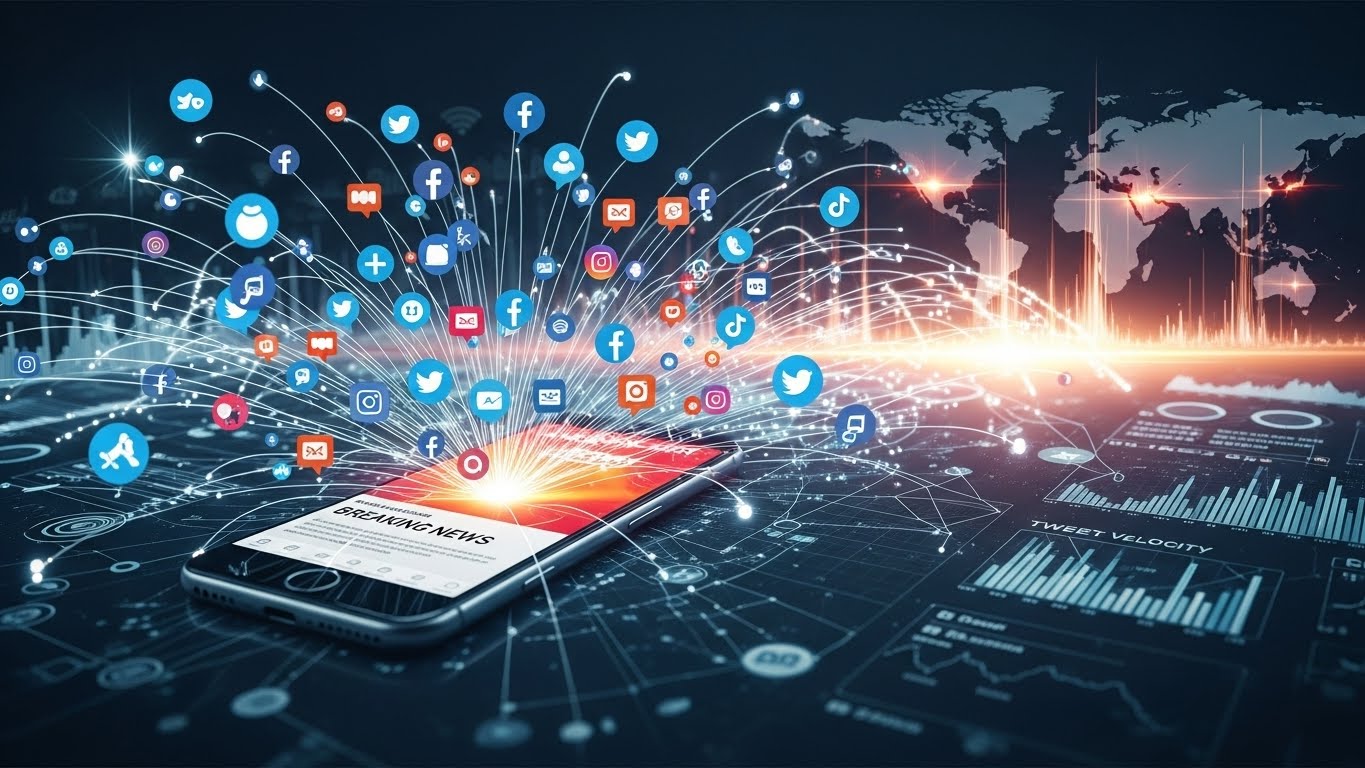
The rise of social media platforms has exacerbated the spread of fake news, as these platforms allow information to circulate rapidly among vast audiences. This phenomenon has made it increasingly challenging for individuals to discern credible news from falsehoods, highlighting the importance of media literacy.
Key Differences Between Breaking News and Fake News
To effectively differentiate between breaking news and fake news, it is essential to understand their key characteristics:
- Source Credibility: Breaking news typically comes from established and reputed news organizations that have a history of journalistic integrity. In contrast, fake news often originates from dubious sources with little to no credibility.
- Verification: Breaking news stories are subject to verification by journalists who adhere to ethical standards and fact-checking practices. Fake news, however, lacks such scrutiny and is rarely backed by credible evidence.
- Motivation: The primary goal of breaking news is to inform the public. Fake news, on the other hand, is often driven by ulterior motives such as political influence or financial gain.
- Consistency: Breaking news stories are consistently updated as new information emerges. Fake news stories may lack consistency and often include contradictions or implausible details.
How to Identify Fake News

Recognizing fake news requires critical thinking and a keen eye for detail. Here are some strategies to help you identify fake news:
- Check the Source: Verify the credibility of the news source. Established media outlets, such as The New York Times or Reuters, are more likely to provide accurate information compared to unknown or suspicious websites.
- Examine the Author: Research the author of the article. Legitimate news articles are typically written by journalists with a track record of reliability and expertise.
- Analyze the Language: Be wary of sensationalist language or emotionally charged headlines designed to provoke a reaction. Legitimate news articles prioritize factual reporting over sensationalism.
- Look for Supporting Evidence: Reliable news stories are supported by evidence, including quotes from credible sources, data, and verified images or videos.
Staying Informed in the Age of Misinformation
Remaining informed in today’s media landscape requires a proactive approach. Here are some tips to help you stay informed while avoiding fake news:
- Diversify Your News Sources: Rely on multiple news outlets to get a well-rounded perspective on current events. This practice will help you identify discrepancies and biases in reporting.
- Engage in Critical Thinking: Question the information you encounter and consider its source, context, and potential biases. Critical thinking is essential for discerning the truth in a sea of information.
- Utilize Fact-Checking Tools: Make use of reputable fact-checking websites, such as Snopes or FactCheck.org, to verify the accuracy of news stories.
- Educate Yourself on Media Literacy: Understand the principles of media literacy, which involves analyzing, evaluating, and creating media in various forms. Media literacy education empowers individuals to navigate the complexities of the modern media environment.

The Role of Social Media in Spreading News
Social media platforms play a significant role in the dissemination of both breaking news and fake news. While these platforms offer a convenient way to access real-time information, they also pose challenges due to the rapid spread of unverified content.
To navigate social media responsibly, consider the following:
- Verify Before Sharing: Before sharing news articles on social media, take the time to verify their authenticity. Sharing fake news can contribute to misinformation and confusion.
- Follow Credible Sources: Subscribe to updates from credible news organizations and journalists to ensure you receive accurate information.
- Be Mindful of Algorithms: Understand that social media algorithms may prioritize sensational or controversial content. Actively seek diverse viewpoints to counteract potential biases.
Takeaways
The challenge of distinguishing between breaking news and fake news is an ongoing battle in the digital age. By understanding the differences between the two, utilizing critical thinking skills, and accessing reliable sources, individuals can navigate the complex media landscape with confidence. Remaining informed requires vigilance and a commitment to seeking the truth amidst an ever-expanding influx of information.

Staying informed is not merely about consuming news; it’s about engaging with it thoughtfully and responsibly. By doing so, we can collectively combat the spread of misinformation and contribute to a more informed society.
Embracing Media Literacy for a Better Future
The importance of media literacy cannot be overstated in our quest to differentiate between breaking news and fake news. Media literacy equips individuals with the skills needed to critically evaluate media content and recognize the intent behind various messages. As the media landscape evolves, fostering media literacy becomes essential for sustaining a well-informed public.
Educational institutions, policymakers, and media organizations all play a crucial role in promoting media literacy. Incorporating media literacy into educational curricula can prepare future generations to discern credible information and engage with media responsibly. Additionally, public awareness campaigns can highlight the significance of media literacy in everyday life.
The Responsibility of News Organizations
News organizations are at the forefront of the battle against fake news. To uphold their credibility and trustworthiness, these organizations must adhere to rigorous journalistic standards and ethical guidelines. Transparency in reporting, thorough fact-checking, and accountability are essential components of responsible journalism.
Furthermore, news organizations can actively participate in debunking fake news by collaborating with fact-checking platforms and providing resources for the public to verify information. By doing so, they contribute to a more informed society and help mitigate the spread of misinformation.
Community Efforts in Combating Fake News

Communities and individuals also have a role to play in combating fake news. Encouraging open dialogues about media consumption and misinformation can foster a culture of critical thinking and skepticism. Community workshops and seminars on media literacy can empower individuals to analyze news content critically and share their knowledge with others.
Moreover, individuals can contribute to the fight against fake news by reporting suspicious content on social media platforms. Most platforms have mechanisms for flagging false information, allowing users to play an active role in maintaining the integrity of shared content.
Technological Solutions to Curb Fake News
Technological advancements offer promising solutions to the problem of fake news. Artificial intelligence and machine learning algorithms can be employed to detect and flag suspicious content automatically. These technologies can analyze patterns, identify misinformation, and alert users to potential inaccuracies.
Social media platforms are increasingly investing in technologies that can help identify fake news and reduce its visibility. By incorporating AI-driven solutions, these platforms aim to create a safer and more reliable environment for users to access and share information.
Takeaways
The distinction between breaking news and fake news is a critical concern in today’s media-rich world. By embracing media literacy, supporting responsible journalism, and leveraging technology, we can collectively address the challenges posed by misinformation. It requires a concerted effort from individuals, communities, news organizations, and technology companies to ensure that the information we consume is accurate and reliable.
Ultimately, the responsibility to stay informed lies with each of us. By approaching news consumption with a discerning eye and a commitment to truth, we can navigate the complexities of modern media and contribute to a more informed and empowered society.
Read More