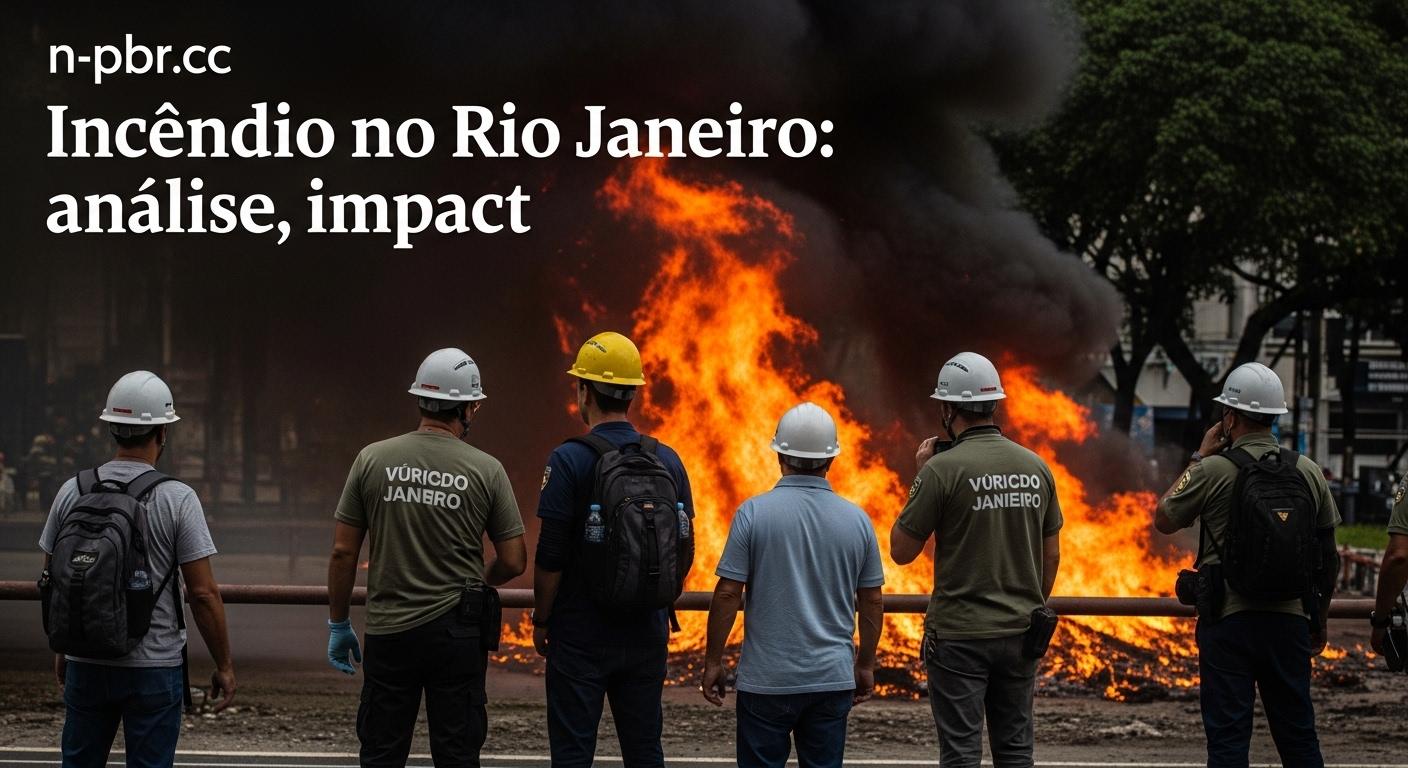
brazil Trending News Brazil: An in-depth look at how Brazil’s reversal of a decree privatizing Amazon rivers reshapes Indigenous rights, investor confidence.
In brazil Trending News Brazil, a compact policy reversal places Indigenous rights and environmental safeguards at center stage as policymakers recalibrate development priorities around the Amazon.
Context: Indigenous protests and a policy reversal
Across the Amazon corridor, Indigenous communities and regional stakeholders have argued that privatization efforts threaten sacred waters, forest governance, and local autonomy. The reversal of the decree privatizing three Amazon rivers marks a rare moment where protest pressure translated into formal policy reconsideration. It tests how Brazil’s executive branch will balance development needs with rights-based safeguards and environmental limits, especially as regional attention returns to questions of consent and consultation.
Historically, Amazon governance has faced a tension between rapid infrastructure projects and territorial rights. Protests by riverine communities, NGOs, and traditional federations helped push a narrative that policy experiments must go hand in hand with consent, adequate compensation, and clear environmental accounting. The reversal could signal a new baseline for how future resource privatization is weighed against collective rights and ecological risk in a region whose governance is deeply interconnected with climate outcomes.
Legal stakes and governance signals
The decision arrives amid a broader reckoning with how Brazil’s institutions check policy experimentation. The judiciary and public ministries have increasingly asserted roles in scrutinizing rapid policy shifts, signaling a demand for accountability that extends beyond ideology. The Amazon rivers episode underscores the politics of governance in a country navigating social demand, fiscal constraints, and climate commitments. It also illustrates the friction points between executive power and judicial oversight, a dynamic that could set precedents for how environmental and Indigenous rights protections are tested in court and implemented in practice.
Economic narratives and environment: who gains and who bears costs
Developers and agribusiness interests often argue that clarified property rights and infrastructure investments will spur growth and reduce corruption through clearer rules. Critics contend that privatization without robust environmental safeguards and community consent transfers decision-making away from affected populations, risking marginalization of Indigenous groups and potential ecological spillovers that could threaten biodiversity and long-term productivity of the forest. The case also resonates with Brazil’s international commitments on forest stewardship and biodiversity, potentially shaping foreign investment sentiment, ESG ratings, and trade discussions tied to sustainable supply chains. In the short term, the reversal could slow a wave of privatization, but it may also recalibrate fiscal expectations for infrastructure projects and alter private-public partnerships going forward.
Looking ahead, several scenarios are plausible. A negotiated framework could embed Indigenous consent, strengthen environmental oversight, and publish procurement rules with robust third-party auditing. A phased approach might restrict privatization to river segments with proven environmental safeguards while expanding community monitoring. Alternatively, renewed political friction could stall reforms, extend governance uncertainty, and invite international scrutiny of Brazil’s governance credibility as it relates to deforestation and rights protections. Economic actors would weigh these signals against potential gains from private capital flows, while communities would assess risk and benefits in the longer term.
Actionable Takeaways
- Prioritize transparent consultation with Indigenous communities and publish impact assessments for resource privatization proposals.
- Strengthen environmental safeguards and independent monitoring to maintain public trust and international credibility.
- Ensure timely, judiciary-backed oversight to align development aims with Indigenous rights and environmental limits.
- Monitor policy continuity and governance signals that affect infrastructure and resource projects in Brazil.
- Support data-driven reporting and civil society oversight to track commitments and deviations.